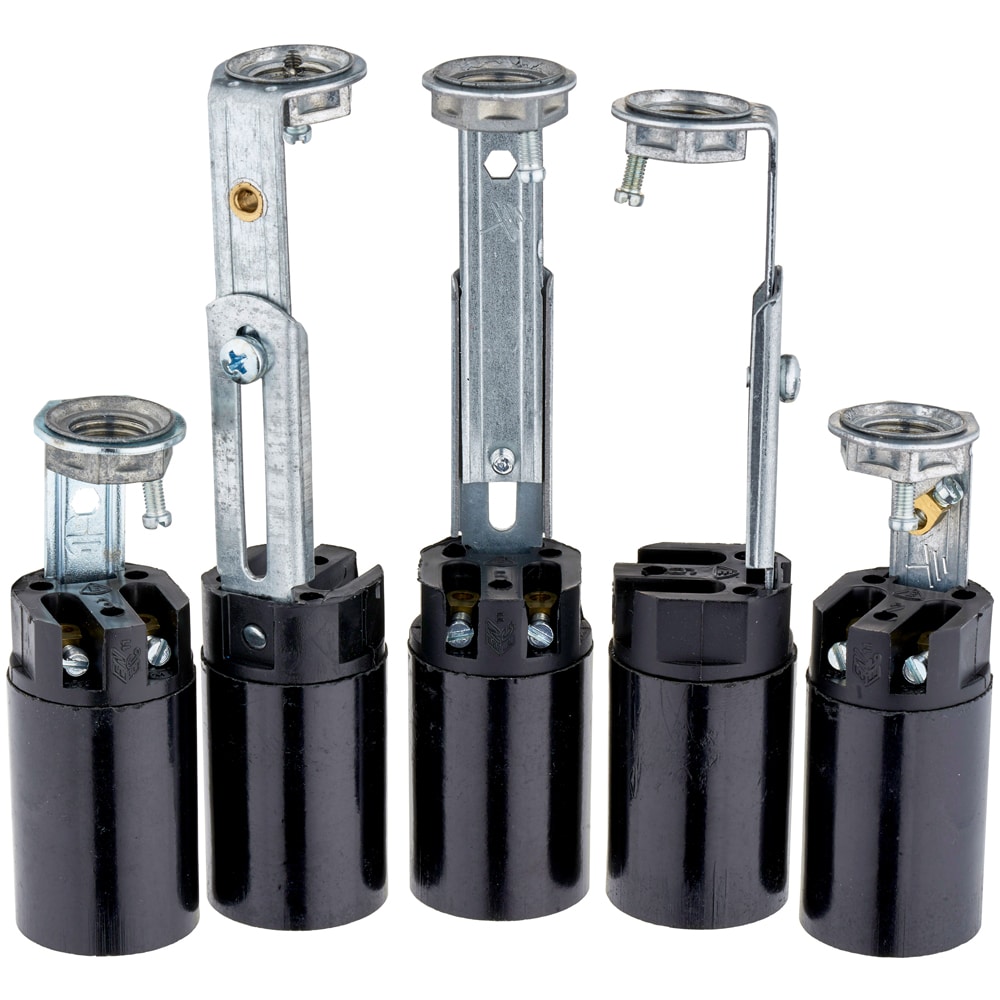
If you are searching for candle sleeves, you may also see them called candle tubes, candle socket covers, chandelier sleeves or even light bulb sleeves. The terminology can feel confusing, but these names often point to the same decorative part: the tube that gives a chandelier arm its candle-like appearance and covers the lampholder beneath.
There are a few useful distinctions, though. A sleeve is not the bulb, the lampholder or the wiring, and choosing a replacement is about more than matching a name. Here is our plain-English guide to the terms, profiles, materials and measurements.
What is a candle sleeve (or candle tube)?
A candle sleeve is a decorative tube fitted around a compatible lighting assembly. On a chandelier or wall light, it helps conceal the lampholder and creates the familiar candle-style finish. In the UK, candle tube is a particularly common name for the same kind of component.
Depending on the fitting, a “candle” may mean just the decorative sleeve, or it may refer more broadly to the whole candle-shaped assembly. When ordering, check exactly what is included: the sleeve, a lampholder, wiring and a bulb are not necessarily supplied together.
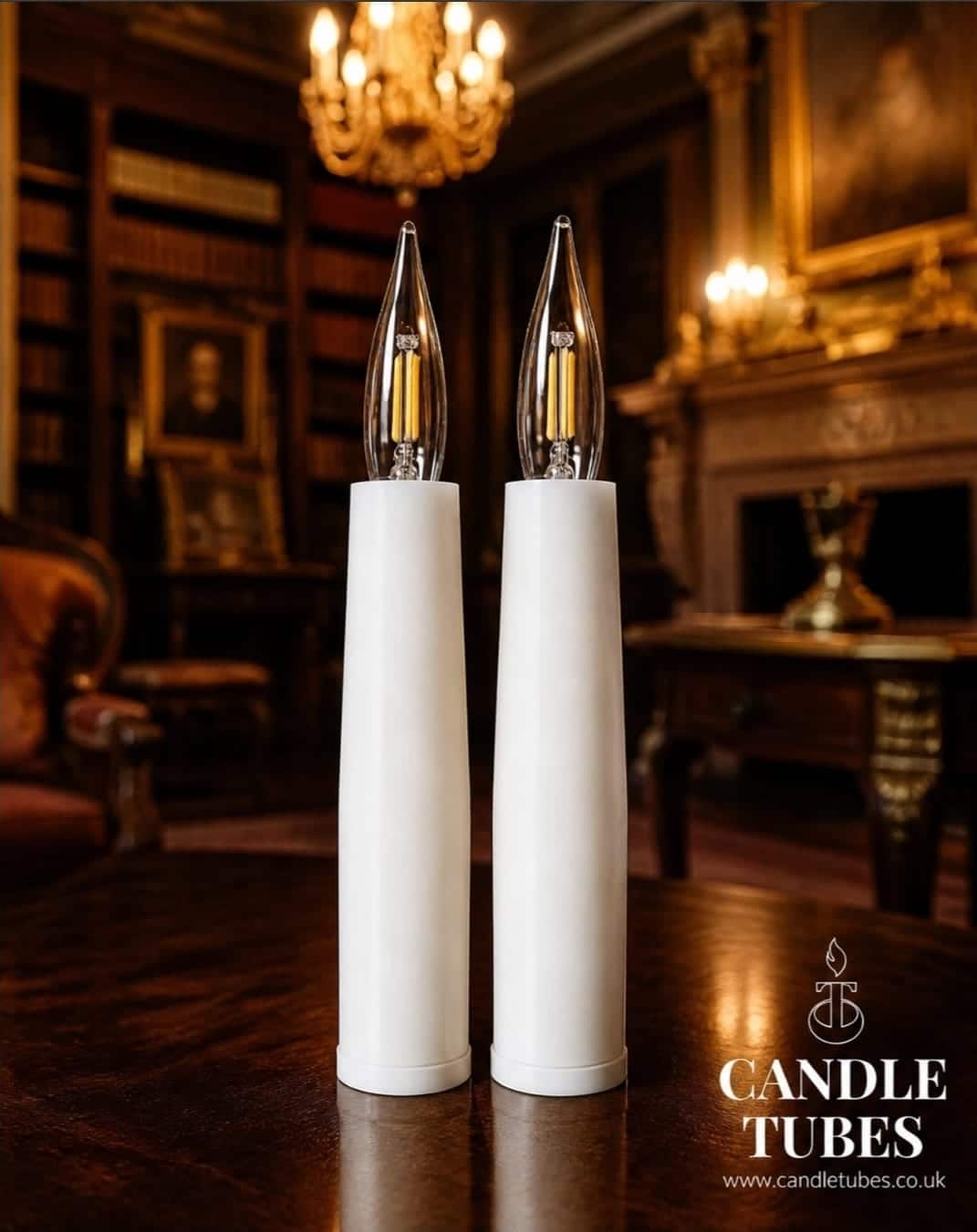
Do candle socket covers, light bulb sleeves and chandelier sleeves mean the same thing?
Often, yes. People use these phrases to describe the decorative candle-shaped cover on a light fitting. But some terms can be ambiguous, so it is prudent to confirm what part you need:
- Candle socket cover: Usually means a decorative cover around the lampholder on a candle-style fitting.
- Light bulb sleeve: Often used to mean a candle tube, but can sound as though the part fits over the bulb itself. Our candle sleeves are decorative covers for the fitting; they are not sleeves for the glass bulb.
- Chandelier sleeve: Usually a candle sleeve intended for a chandelier arm.
- Candle tube: Another widely used name for a candle sleeve or cover.
- Drip candle sleeve: A sleeve with a decorative wax-drip effect, rather than a separate electrical component.
In short, these search terms commonly lead to the same product family. The key is to match the replacement to your actual fitting, not just the wording in an online listing.
What is the difference between the French GS Range and English Regency?
The profile is a helpful starting point when identifying a style.
The French GS Range has a 22 mm cylindrical profile and an E10 MES fitting. Its slimmer, straight-sided appearance can suit delicate or finely detailed chandeliers. We recommend pairing it with an E10 miniature SES Flame Tipped Bulb; do confirm that the bulb base matches your fitting before ordering. (E10 and E14 are different sizes, not interchangeable alternatives.)

The English Regency range has a more substantial, tapered shape. Our nylon version has a 30 mm base tapering to 25 mm at the top, with options for E10, E12 UL and E14 configurations. Its proportions can be a natural match for traditional fittings where a fuller candle profile is wanted.
A quick rule of thumb: if your original sleeve has parallel sides, start by looking at cylindrical profiles; if it narrows towards the top, look at tapered styles. This is a visual clue, not a substitute for measuring the part and checking the fitting.
Which candle sleeve materials can you choose?
Material affects appearance, finish and the character of the completed light. Our candle tube range includes options such as:
- Card: A versatile choice available in different colours, heights and finishes.
- Metal: A crisp, polished look for designs where a metallic finish is wanted.
- Glass: A more refined, translucent option for selected styles and projects.
- Nylon: Used in ranges such as the English Regency, with a smooth, consistent finish.
The right material depends on the fitting, its original style and the look you want to achieve. For restoration, matching the existing material and overall finish can help the replacement sit naturally with the rest of the chandelier.
What does “drip” or “plain” mean on a candle sleeve?
These terms describe the appearance of the sleeve, not the bulb fitting or electrical specification.
A plain sleeve has a simple, even edge. A dripped sleeve is shaped or finished to suggest melted wax running down a candle. Either can suit a traditional design; the choice is mainly about the look you want. The card candle tube range offers plain and dripped finishes in a selection of colours, including ivory, white, black, gold, brass and copper.

For a matched set, keep the profile, height and finish consistent across the arms. Even a subtle difference can stand out when several sleeves are arranged together.
What should you measure before ordering candle sleeves?
Measure the original part and fitting wherever possible; guessing from a photograph is rarely a dependable reckoner. Make a note of:
- Overall height: From the seating point to the top of the sleeve.
- Diameter: Include the widest point the sleeve must fit over or around.
- Profile: Cylindrical, tapered, shouldered or another shape.
- Base and mounting details: Check how the sleeve sits on or attaches to the fitting.
- Bulb and lampholder specification: Record the fitting code where known (for example, E10, E12 or E14).
The bulb code does not tell you the sleeve’s outside diameter. It identifies the bulb-base family; the decorative sleeve still needs to suit the physical dimensions of the fitting.
If you are uncertain, we offer a digital measurement service: post us an original part and we can measure it to help create a close replacement fit. This can be especially useful when restoring an older light, replacing a discontinued component or matching a bespoke design. Find out more through our candle tube product range.
Are candle sleeves electrical components?
No. Candle sleeves are decorative components only. They do not replace the lampholder, alter a bulb fitting or make wiring safe. Switch off and isolate the light before handling any part, allow bulbs to cool, and avoid forcing a sleeve into place (nasty pinches and damaged parts are no one’s idea of a good restoration).
Any work involving wiring must be handled by a qualified electrician. If a fitting flickers, trips a circuit or appears damaged, do not try to solve the problem with a new decorative sleeve; arrange for an electrician to inspect it.
Whether you are a lighting manufacturer, restorer, interior designer or homeowner, the right terminology makes it easier to find the right part. For bespoke candle sleeves and made-to-order options, visit www.candletubes.co.uk, www.candletubes.com or www.candletubes.eu.