A chandelier does not need to become a major maintenance project to stay looking its best. A few minutes of regular observation, followed by a careful seasonal clean, can help prevent dust, soiling and minor wear from becoming a bigger job. It applies to a domestic fitting just as much as to a large chandelier in a hotel, church or heritage building.
Dust can dull the sparkle of crystal and glass, while accumulated grime may leave candle sleeves looking yellow or tired. Small changes, such as a sleeve slipping out of position or a bulb starting to blacken, are easier to assess when spotted early. Our practical checklist is designed to make routine care straightforward and safety-conscious.
What should you do before touching a chandelier?
Safety comes first, whether you are dusting a small fitting or planning a thorough clean.
- Switch off the power at the consumer unit, not just at the wall switch.
- Let bulbs cool completely before handling them.
- If the fitting is out of comfortable reach, stop. Arrange proper access equipment or bring in a professional; never stand on a chair or work above your reach.
- Do not pull, lean on or twist the chandelier to reach another section.
- Keep moisture away from electrical parts.
If maintenance requires the fitting to be lowered, a suitable chandelier hoist may be part of a planned access solution. Read our hotelier’s guide to chandelier hoists for more on access at height.
Any work involving wiring, lampholders or electrical connections must be carried out by a qualified electrician.
What can you check in five minutes each month?
Do a quick visual once-over from the floor. This is an observation check, not an invitation to reach up or adjust anything.
Look for:
- Arms that appear to be leaning, or components that seem to have dropped.
- Candle sleeves (also called candle covers or candle tubes) that have slipped or sit crooked on the lampholder.
- Sleeves that look cracked, warped or discoloured.
- Bulbs that have blackened.
- Any flicker or buzzing.
Make a note of anything unusual and include it in your next planned clean or maintenance visit. If you notice a concern that could involve wiring or a loose fitting, leave it alone and seek professional advice.

How do you carry out a seasonal deep clean?
Choose a time when you can work without rushing. Switch off the power and wait for the bulbs to cool fully. Clean from the top down, so dust does not settle on areas you have already finished.
Use a soft brush or a clean microfibre cloth to remove dust. Avoid sprays: applying products directly to a chandelier can leave residue or allow moisture to reach areas that should stay dry. For crystal and glass, handle each piece carefully and wipe gently with a soft cloth. If a component needs more than a surface clean, follow the fitting’s care instructions or ask a specialist rather than soaking or dismantling parts without guidance.
Candle sleeves need particular care:
- Card sleeves should never be wetted. Use a soft, dry brush or cloth.
- Nylon sleeves wipe clean with a soft cloth; dry them fully before refitting.
- Metal finishes vary. Patch test any cleaning approach on an inconspicuous area first, as a finish that suits one component may mark another.
- Do not soak or spray candle sleeves. Keep them dry, especially around the lampholder area.
- If you remove any component, take care not to force it. Make sure all parts are completely dry before reassembly.
For a closer look at sleeve styles and finishes, peruse our guide to matching chandelier candle covers to period and finish.
What should you check on candle sleeves and bulbs?
A candle sleeve is a decorative component, not an electrical part. Check that each sleeve fits appropriately over its lampholder and sits straight. Replace sleeves that have warped, yellowed or cracked rather than trying to disguise damage. When replacing a set, keep the finish and height consistent across every arm (a mismatch can stand out once the chandelier is lit).
Keep a spare set of each size if your fitting uses several sleeve dimensions. It can make future replacements simpler, particularly when a model or finish is difficult to match. If an original component survives, our digital measurement service can help assess it for a precise replacement.
The bulb must match the lampholder. As a quick reckoner:
- E10 means MES (Miniature Edison Screw).
- E14 means SES (Small Edison Screw).
- E12 is the US designation.
When replacing a failed bulb, use the same fitting and type as the one specified for your chandelier. Avoid mixing dimmable and non-dimmable bulbs on one circuit, as this can cause operating problems. An E14 dimmable flame-tipped bulb is suitable only where the bulb, dimmer and circuit are all compatible; ask a qualified electrician to confirm.
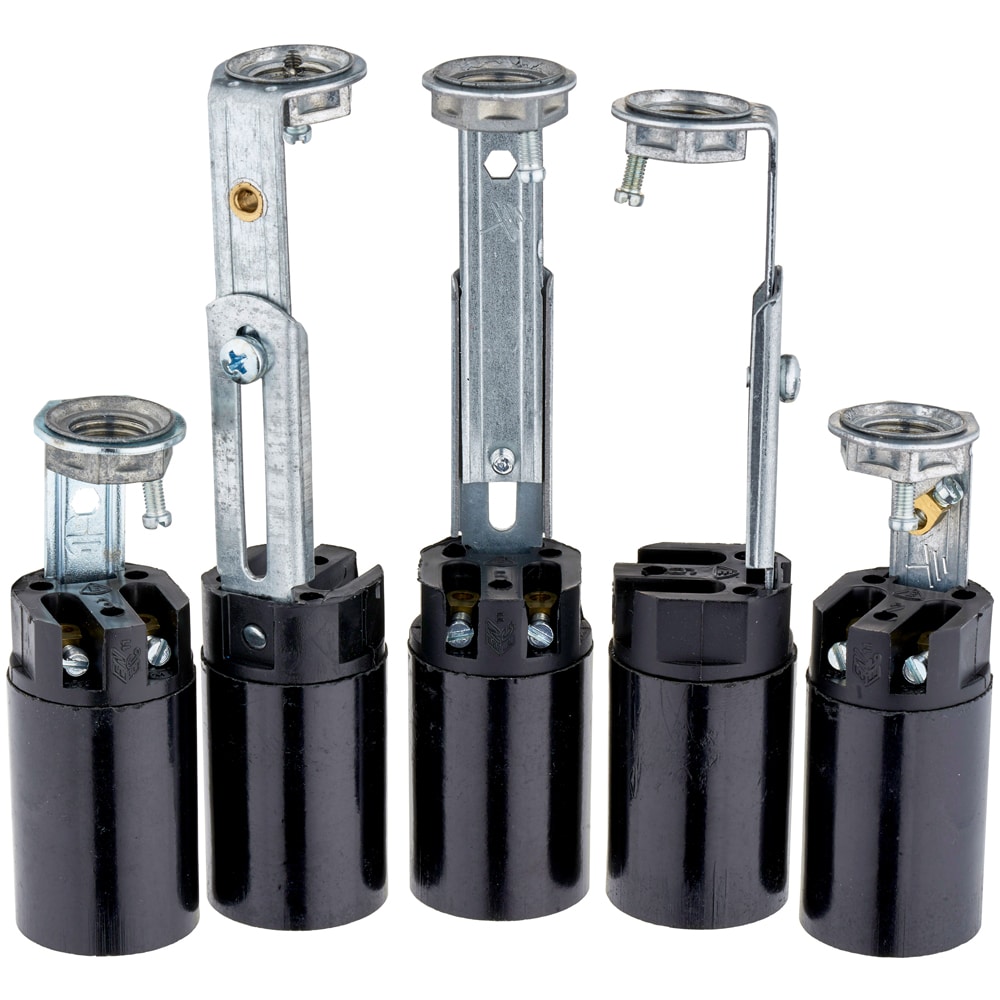
Check the lampholder body for cracks or heat marking, and whether the bulb sits squarely. If you see damage or anything that appears electrical, stop and contact an electrician rather than attempting a repair.

How should facilities teams manage large or heritage installations?
For a chandelier with many arms, or multiple fittings across a building, use a rolling programme rather than trying to inspect everything at once. Divide the work into manageable sections and keep a simple record of which sleeves were checked or replaced, when, and to what specification.
When ordering replacements in quantity:
- Record dimensions and finishes for each fitting type.
- Confirm whether every arm uses the same size.
- Keep a sample or clear record of the approved replacement for future batches.
- Check batch consistency before fitting across a whole installation.
Where an original sleeve survives, sending it for digital measurement can help replacements match its dimensions and profile more precisely. This can be useful in heritage settings, where proportion matters across repeated arms.
Our Regency Nylon range serves churches and cathedrals as well as domestic fittings. Made to order in Corby, it is available in diameters from 45mm and heights up to 500mm, in Plain, Dripped and Waxed finishes.
Printable seasonal chandelier checklist
Use this as a simple reminder, adjusting the frequency to suit how quickly your fitting gathers dust and the needs of your premises.
Monthly: five minutes, feet on the floor
- Look for leaning or dropped arms.
- Check visually for slipped or crooked sleeves, cracks or discolouration.
- Note blackened bulbs, flicker or buzzing for follow-up.
Before the winter season
- Plan a safe, thorough dust and surface clean.
- Check that sleeves are consistent and undamaged.
- Note bulbs that need replacing and arrange professional attention for anything electrical.
- For large or high fittings, organise suitable access in advance.
After the winter season
- Look for dust or soiling that has built up.
- Recheck sleeve condition, alignment and bulb appearance.
- Update your maintenance record and plan any replacements.
Always leave to a professional
- Wiring, lampholder or connection work.
- Work beyond comfortable reach, or work that needs specialist access.
- Any electrical concern, damaged fitting or component you cannot inspect safely.
Frequently asked questions
How often should I clean a chandelier?
A monthly visual check is a useful habit. Dust and deep-clean as needed, based on the room, fitting and level of soiling; a busy commercial space may need attention more often than a little-used room.
Can I wash candle sleeves?
Do not soak or spray them. Card sleeves must never be wetted; nylon can be wiped clean with a soft cloth. Check material-specific guidance and dry components fully before refitting.
Why do my candle sleeves go yellow?
Soiling and accumulated dust can discolour sleeves; age, light and heat exposure may also contribute. If the colour change is persistent, or the sleeve is cracked or warped, replacement may be more appropriate than cleaning.
How do I stop sleeves slipping?
Check that the sleeve is the correct size and sits properly over the lampholder. Do not force, glue or wedge it in place. If it continues to slip, have the size and fit assessed.
Should I replace all sleeves at once?
Not always. For a consistent appearance, replacing the full set can make sense when several sleeves are mismatched, damaged or noticeably discoloured. On a large installation, record replacements and keep batches consistent.
For help with bespoke sleeves or restoration replacements, contact Rachel’s office on 0330 113 7842. You can also visit www.candletubes.co.uk, www.candletubes.com or www.candletubes.eu.
Disclaimer: Candle sleeves and related components are decorative only, not electrical parts. A qualified electrician must handle any work involving wiring, lampholders or electrical connections.