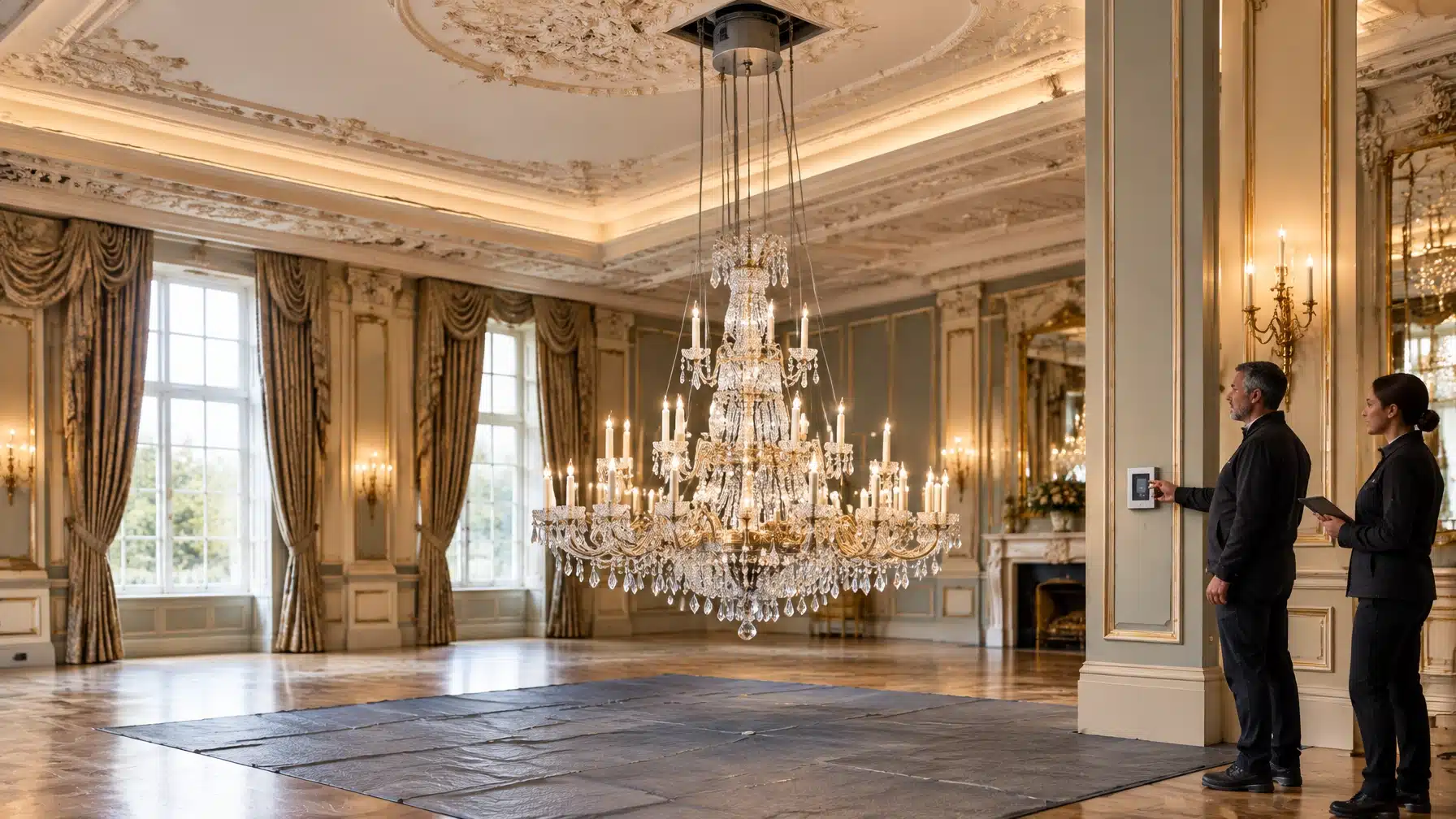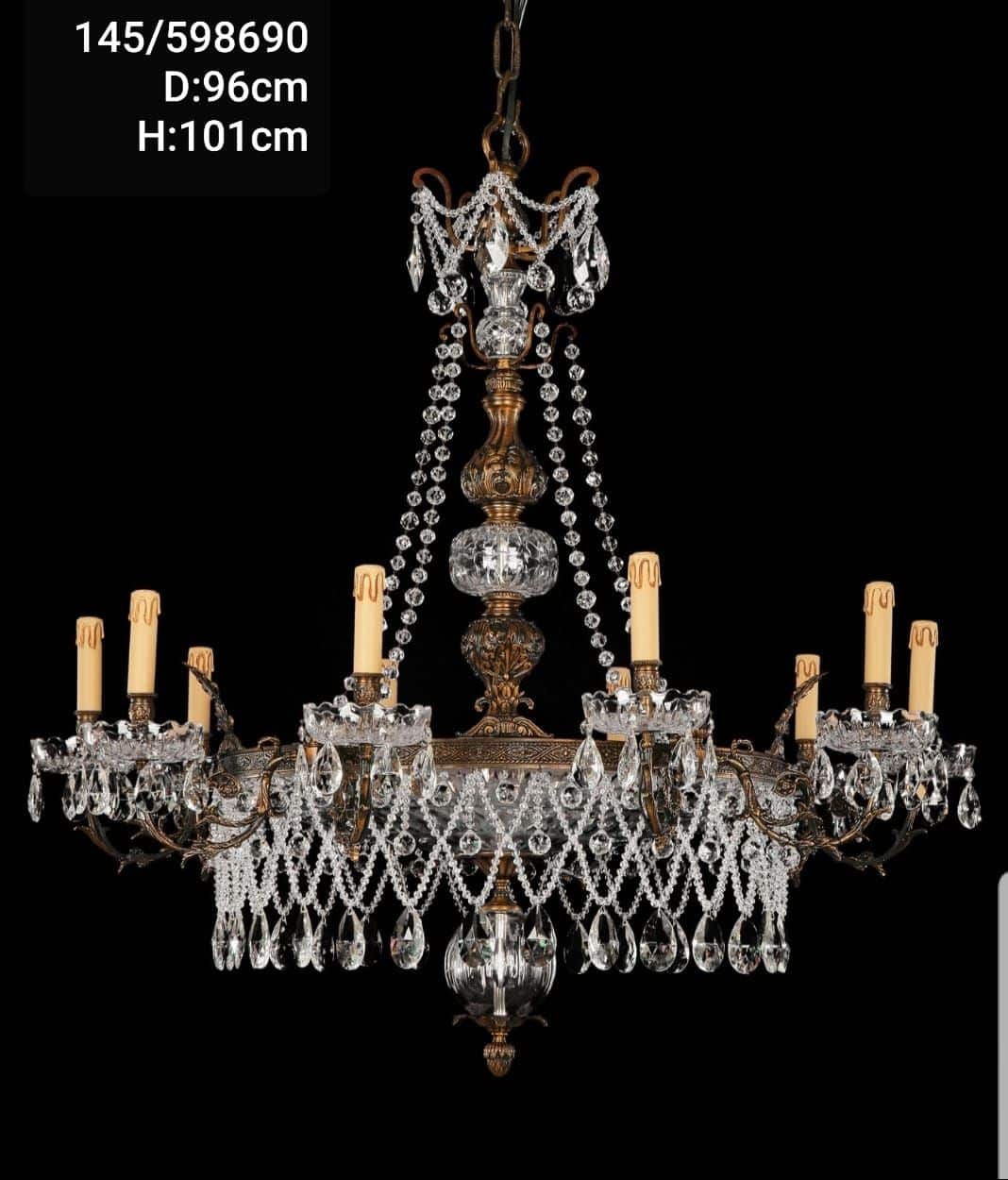
Choosing chandelier candle covers is not simply a matter of finding a tube that fits over a lampholder. The profile, colour, finish and material all influence how your chandelier looks when the lights are on and off.
For an antique restoration, the wrong cover can make an otherwise beautiful fixture feel visually unbalanced. For a new design, the right candle sleeves can create the polished, cohesive appearance that brings the entire piece together.
At Candle Tubes UK, we manufacture bespoke, made-to-order candle tubes, chandelier sleeves and candle socket covers for lighting manufacturers, restorers, interior designers, retailers and homeowners. Here is our guide to matching them thoughtfully.
What are chandelier candle covers?
Chandelier candle covers are decorative tubes fitted around compatible lampholders and bulbs to create the appearance of a traditional candle. They are also known as:
- Candle sleeves
- Chandelier sleeves
- Candle tubes
- Candle socket covers
- Chandelier candles (in some product searches and trade descriptions)
The cover is a decorative component, not an electrical one. It conceals the lampholder assembly and gives each arm of the chandelier a candle-style silhouette.
The bulb and lampholder must still be correctly matched. Common fitting designations include:
- E10 MES – Miniature Edison Screw, often used for French GS-style fittings.
- E14 SES – Small Edison Screw, commonly associated with many European and English Regency-style fittings.
- E12-UL – A separate fitting designation and not interchangeable with E10 or E14.
Always confirm the fitting before ordering. Electrical work, wiring and compatibility should be checked by a qualified electrician.
Why does the chandelier’s period matter?
Period is a useful design guide, but it is not a rigid rulebook. Chandeliers were made by different manufacturers, in different regions and for different interiors, so the original component remains the most reliable reference.
Georgian chandeliers
Georgian-inspired fixtures often favour balance, restraint and orderly proportions. Candle covers may therefore need a relatively calm profile, with careful attention to the relationship between the arm, drip pan and upper candle section.
A cover that is too broad or heavily textured can overpower a finely proportioned Georgian design. Conversely, a very stark modern cylinder may look disconnected from a fixture with aged brass or painted metalwork.
Regency chandeliers
Regency design tends towards symmetry, neoclassical influence and elegant structural lines. The candle covers are often an important part of that visual rhythm, particularly on chandeliers with repeated arms and decorative bobèches (also called drip pans).
Our English Regency Range has a 30mm base that tapers to 25mm at the top. This gives the candle a more substantial, gently narrowing profile, suitable where the chandelier calls for a confident and traditional presence.
French and French GS chandeliers
French chandeliers can range from delicate and refined to lavishly ornamented, with gilt metalwork, crystal and intricate cast details. The original candle cover is especially valuable here because the proportion of the sleeve may be integral to the fixture’s character.
The French GS Range is designed around a slimmer 22mm cylinder. Paired with a compatible E10 MES flame-tipped bulb, it reads more delicate than the English Regency profile. That difference may sound modest on paper, but it can significantly alter the apparent visual weight of each arm.
Victorian chandeliers
Victorian fixtures often feature richer ornament, more elaborate metalwork and greater variation in decorative detail. Depending on the individual chandelier, a smooth sleeve, tapered cover or waxed-drip finish may be appropriate.
The sensible approach is to study:
- The original cover, if available
- The shape of the arm
- The depth of the bobèche
- The amount of surrounding ornament
- Whether the fixture is intended to look formal, romantic, restrained or richly historic
A photograph can help, but the original component is the true reckoner.
How do you match the finish to the chandelier?
The finish should relate to the chandelier’s metalwork without necessarily attempting to copy it exactly. Ivory, cream, beeswax and aged finishes generally sit comfortably against warm gilt, bronze, brass and painted metalwork.
Ivory, cream and beeswax tones
These finishes tend to suggest traditional candle wax and work particularly well with:
- Gilt or antique gold chandeliers
- Bronze and aged brass
- French ormolu-style metalwork
- Crystal fixtures with warm decorative frames
- Painted or distressed period finishes
Ivory usually feels softer and more settled than bright white. Cream can add warmth, while a beeswax or aged finish may introduce subtle variation that suits a restoration.
Bright white
Bright white reads sharper and more prominent. It can be an excellent choice for a clean, contemporary or newly manufactured chandelier, particularly where the metalwork is polished, painted or deliberately crisp.
However, on an aged chandelier, a brilliant white cover may draw the eye away from the original metalwork. It is not necessarily wrong, but it creates a more noticeable contrast.
Metallic and translucent finishes
Metallic finishes can visually increase the apparent weight of a sleeve, especially when they reflect light strongly. A polished metal cover may therefore look more substantial than a similarly sized ivory card tube.
Translucent or glass-like finishes behave differently again. They can allow light to pass through the material and may appear lighter or more atmospheric, particularly beside crystal.

Top tip: consistency across all the arms matters more than the individual cover. A beautifully matched single sleeve will still look out of place if the remaining arms vary in colour, sheen or profile.
What proportions should chandelier candle covers have?
A successful cover should balance five details:
- Finished height
- Outer diameter
- Internal clearance
- Drip pan or bobèche depth
- Bulb position
Do not guess these dimensions from a photograph. Measure them, or send us an original component for assessment.
A cover that is too short may expose part of the lampholder or create an awkward gap above the bobèche. One that is too tall may hide too much of the bulb and interrupt the intended eye-line. In a high-ceilinged room, you may have more freedom to use a taller proportion (lucky you!), while a lower chandelier or wall light may need a more restrained height to avoid glare and visual obstruction.
The French GS Range is a useful example. Its 22mm cylinder, used with a compatible E10 MES flame-tipped bulb, reads slimmer and more delicate than the English Regency Range, which has a 30mm base tapered profile. Neither is universally “better”; they create different visual effects and suit different fixtures.

Which material is right: card, metal, glass or nylon?
Material should be considered alongside authenticity, budget, finish, cleaning routine and the character of the project.
- Card: A prudent choice for many traditional restorations. It can provide a familiar, slightly textured appearance and works well with plain, dripped, waxed and aged finishes.
- Metal: Suitable where the cover should relate directly to brass, bronze, silver or painted metalwork. It can also support a more contemporary or industrial interpretation of a traditional form.
- Glass: Appropriate for projects requiring translucency, lustre and a more lavish appearance. It can complement crystal chandeliers particularly well, although careful handling and the cleaning regime should be considered.
- Nylon: A smooth, consistent option for new work and restoration replacements. Our English Regency and French GS ranges demonstrate how nylon can create distinct profiles, from the more substantial Regency taper to the slimmer French GS cylinder.
There is no universal material winner. Card may be the most convincing choice for one heritage restoration, while glass or nylon may be more appropriate for a new chandelier with a precise contemporary finish.
We also work with a collective of specialist decorators and artists who can provide custom finishing services, including aged, metallic and waxed-drip effects. This is valuable when a standard ivory or white finish is close, but not quite right.

How should you measure chandelier candle covers?
Before you order, work through this checklist:
- Identify the fitting: Confirm whether the assembly uses E10 MES, E14 SES, E12-UL or another designation.
- Keep the original cover: Even a damaged or incomplete original may reveal the correct profile and finished height.
- Measure the lampholder body: Measure the widest part that the cover must clear, not simply the bulb thread.
- Check the internal diameter: The cover must slide over the compatible assembly without forcing, binding or wobbling.
- Record the finished height: Measure from the relevant base or bobèche position to the intended top of the cover.
- Check bulb position: Note where the bulb glass begins and how much of the bulb should remain visible.
- Measure the bobèche: Its depth and shape can affect where the cover starts and how the lower profile should look.
- Check every arm: Older chandeliers may contain small variations. Do not assume every arm is identical.
If measuring is difficult, our specialised digital measurement service can help. Send us an original part and we can assess it digitally for an accurate replacement or bespoke reproduction. This is particularly useful for restorers working with rare, damaged or discontinued components.
Can Candle Tubes UK make bespoke chandelier candle covers?
Yes. We manufacture bespoke, made-to-order candle tubes for new lighting, restoration replacements and unusual requirements. Our ranges include card, metal, glass and nylon, with custom dimensions and finishing options available subject to assessment.
To discuss a project, contact Rachel’s office on 0330 113 7842. You can also peruse our ranges and services at:
Chandelier candle covers: frequently asked questions
What is a chandelier candle cover?
It is a decorative tube fitted around a compatible lampholder and bulb to create a candle-style appearance. It is also called a candle sleeve, candle tube or candle socket cover. The cover itself is not an electrical component.
How do I measure a chandelier candle cover?
Measure the widest part of the lamp holder assembly that the cover must clear, then record the required finished height, bulb position and bobèche depth. Identify the fitting designation, such as E10 MES, E14 SES or E12-UL. If possible, send the original component for digital measurement.
Can I use candle covers on any chandelier?
No. Compatibility depends on the lampholder body, internal clearance, bulb position, profile and fixing arrangement. The bulb must match the lampholder, and electrical compatibility should be checked by a qualified electrician.
How do I match covers to an antique chandelier?
Start with the original component, then compare its profile, height, colour, taper and finish with the chandelier’s metalwork and ornament. Ivory, cream, beeswax and aged finishes often suit traditional fixtures, while bright white, metallic and translucent finishes create a sharper or lighter visual effect.
A well-matched set of chandelier candle covers should look as though it belongs to the fixture: not as though it has merely been added to it. With careful measurement and the right finish, even a difficult restoration can achieve that all-important wow factor.