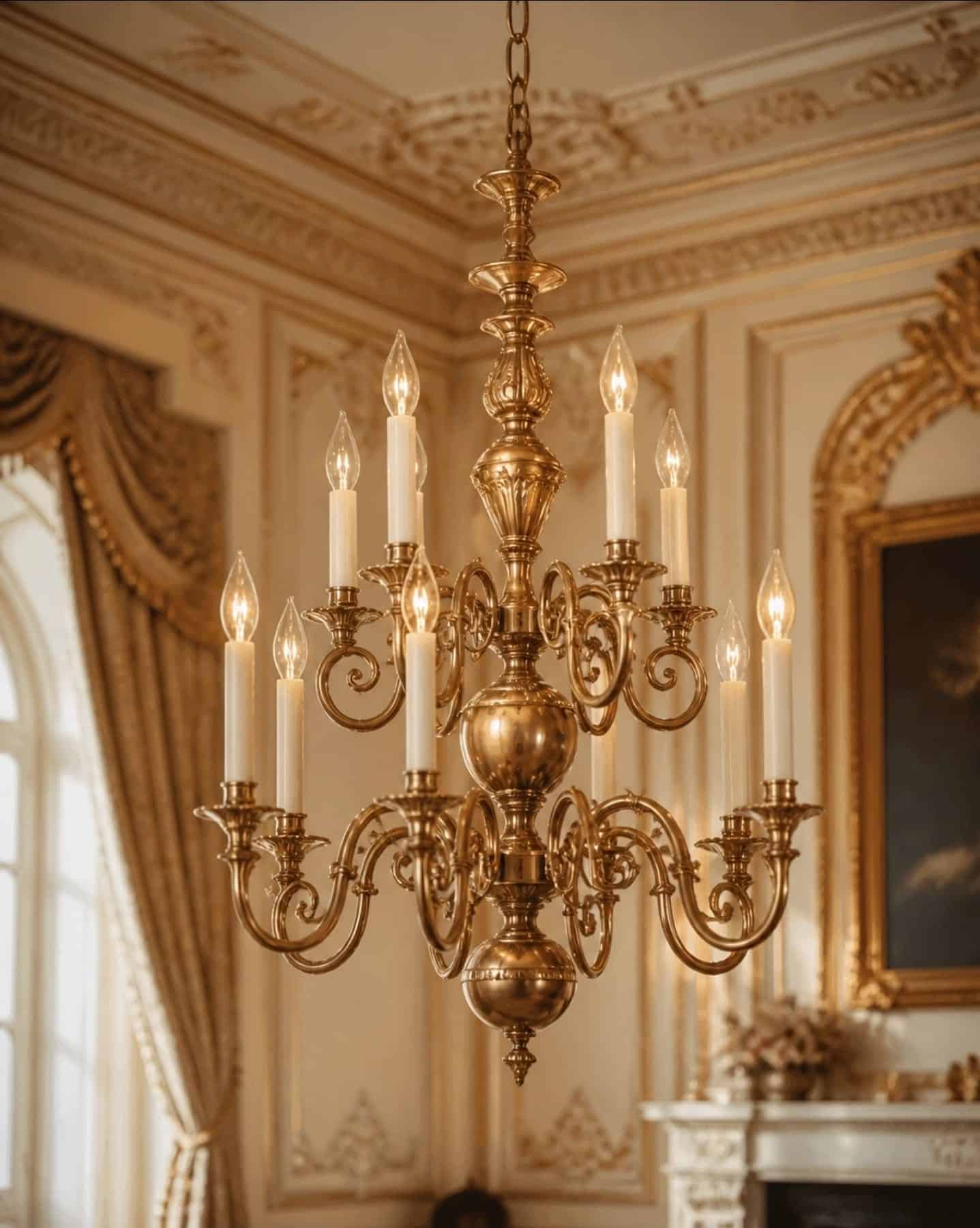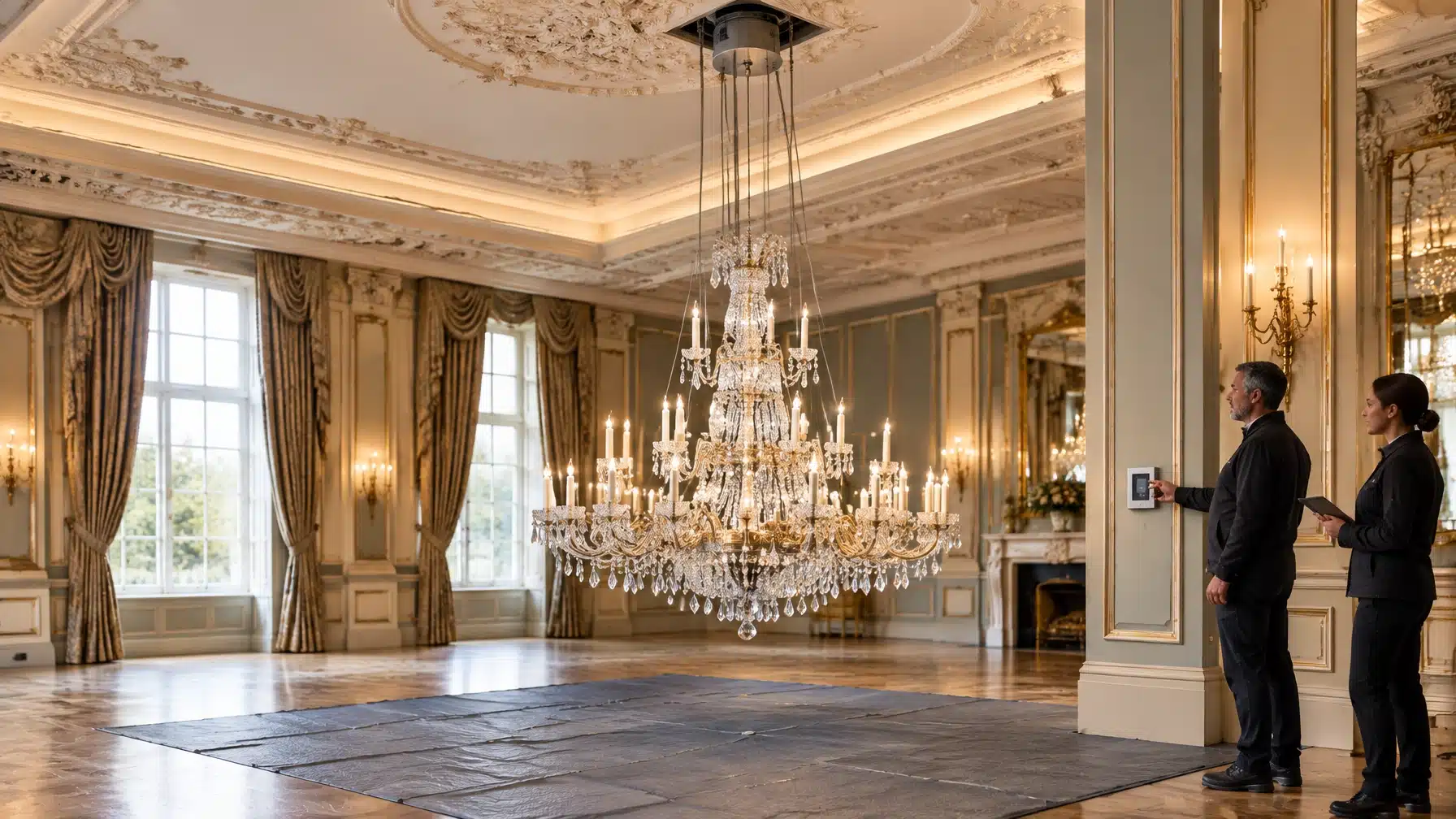
Palaces, cathedrals and churches ask a great deal of their lighting. A chandelier may sit high above a nave or state room, with many arms to maintain and a historic character to preserve. When candle tubes (also known as candle sleeves or candle covers) need replacing, the right solution must look at home on the fitting, be practical to specify in quantity and sit comfortably within a considered conservation plan.
At Candle Tubes UK, we are the UK's leading manufacturer of bespoke candle tubes for lamps, lights and chandeliers. We make new components and restoration replacements, including our English Regency Nylon Range, for projects where profile and consistency matter as much as appearance.

Why do large historic premises need a considered approach?
A single replacement on a domestic light is one thing; a large multi-arm fitting or a suite of chandeliers is another. Some estates and worship spaces have dozens, or even hundreds, of sleeves to assess. The work may need to fit a planned maintenance visit, be manageable for a small facilities team, and produce a consistent result throughout a nave, chapel or state room.
There is also the fabric and history of the building to consider. On a listed or otherwise sensitive interior, a small decorative change can affect the overall appearance of a fitting. We recommend involving the appropriate conservation professional early, especially where the work might alter historic fabric, fixings or wiring routes. Historic England’s guidance on internal lighting in historic buildings is a useful starting point. For cathedrals, consult the cathedral’s own governance and seek advice on the applicable approvals; the Church of England’s guidance on cathedral lighting and sound explains the importance of considering physical and visual impact.
What makes nylon worth considering for a Regency profile?
Nylon can be a practical option for fittings that are handled or cleaned as part of routine care. Its consistent manufactured form can also help when you need a coordinated batch for several arms or fixtures. These are useful project considerations, not guarantees: the right material depends on the fitting’s history, setting, use and conservation requirements.
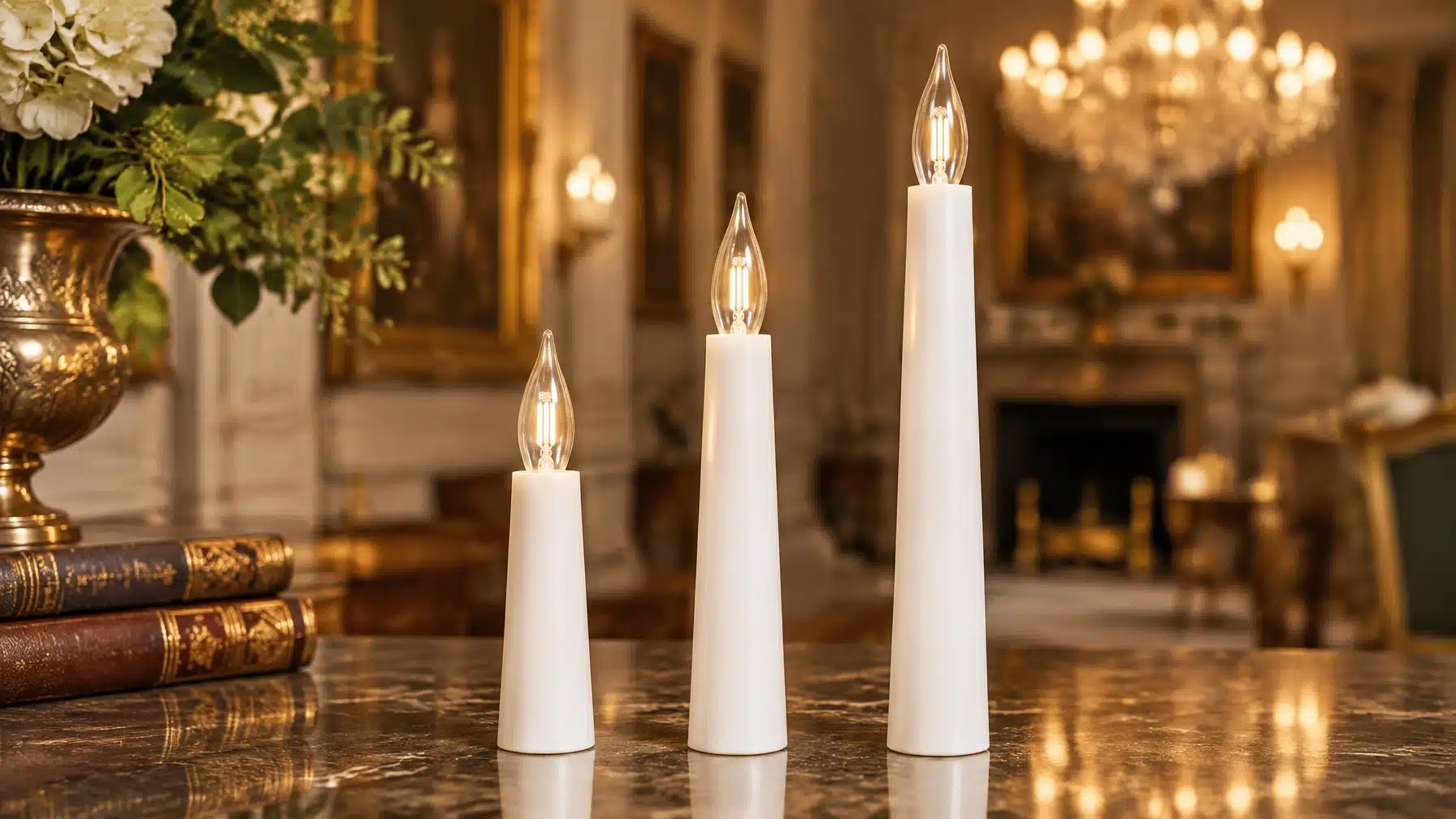
Our English Regency profile has a 30mm base, tapering to 25mm at the top. The listed standard heights are 11cm, 17cm and 23cm. Natural off-white is shown on the product page; discuss finish requirements with us if you need a particular heritage tone or a closer match to existing components.
For a conservation-pure restoration, card or glass may sometimes be a more appropriate or authentic choice. Fragile glass may need extra care during handling, while card may suit a traditional fitting where that material is already part of its character. The prudent approach is to compare the original, the intended use and the proposed replacement, not to assume that one material is right for every historic interior. You can peruse our broader candle tube ranges when assessing alternatives.
How does Regency proportion read on a large chandelier?
On an individual arm, the sleeve’s height and taper shape the visual link between the metalwork and the bulb. Across a large chandelier, those details repeat many times. Even small differences can become noticeable when viewed together, and the effect is magnified when a room contains several similar fittings.
As a useful rule of thumb, assess a sample at the fitting, not only on a workbench, before agreeing a full batch. Check the profile from the floor as well as at close range, and compare the result with nearby fixtures. The 11cm, 17cm and 23cm options offer three distinct height choices; the best one depends on the original proportions and how the arms and bulbs sit together.

How can you match replacements to surviving originals?
An original sleeve is often the best starting point. Measurements taken from memory, a photograph or a neighbouring fitting can miss important details: the base diameter, taper, height or way the component sits on the fitting.
Our digital measurement service gives you a more dependable route: where practical, send us an original component so we can assess it for a closer match. If a profile has been discontinued or differs from the standard range, we can discuss bespoke, made-to-order manufacturing. This is particularly helpful when only some arms are missing their original sleeves but the aim is to make the fitting read as a whole again.

What should estates and facilities teams include in a specification?
Before ordering for a large installation, it is worth creating a simple reckoner for each fitting type. Record:
- Quantity and location: note the number required per chandelier, room or building.
- Dimensions: measure the base, top and overall height of a surviving original.
- Profile and finish: record the shape and colour in daylight and under the installed lighting.
- Compatibility: confirm the relevant bulb format and the way the decorative tube fits around the existing assembly.
- Condition: note whether originals are intact, damaged or missing, and retain representative samples where appropriate.
For quantity planning, count each fitting and its arms separately, then confirm the total against your maintenance schedule before ordering. Keep any agreed sample as a reference for future replacement work. If several buildings are involved, identify the location of each batch clearly: it makes later maintenance less guesswork and helps keep the finish consistent.
Bespoke lead times depend on the specification, material, finish and quantity. It is sensible to discuss these details early, particularly if replacements need to be ready for a planned access visit or coordinated works programme. Rachel in our office can talk through requirements and lead times on 0330 113 7842.
Can nylon candle sleeves be made to match an original?
Often, we can assess an original component through our digital measurement service and discuss a suitable bespoke replacement. The match depends on the sample’s condition and the measurements and finish required.
What heights are available?
The English Regency product page lists 11cm, 17cm and 23cm heights. Bespoke requirements can be discussed with our team.
Do nylon sleeves suit listed buildings?
They may be appropriate as a removable decorative replacement, but material choice and any work to the fitting should be considered as part of the building’s conservation approach. Seek advice from the relevant conservation professional before proceeding.
How do we order for a large multi-arm installation?
Prepare an itemised count by fitting, record dimensions and finish requirements, and contact us to discuss batch quantities and timing. If an original is available, ask about sending it for assessment.
Can you match a finish to existing fittings?
We can discuss the required appearance and assess a sample. Colour perception varies with lighting and surrounding materials, so reviewing a sample in situ is prudent.
Explore the range at www.candletubes.co.uk, www.candletubes.com and www.candletubes.eu, or call Rachel’s office on 0330 113 7842 to discuss a heritage lighting requirement.
Important safety note: Candle tubes and related components are decorative only. They are not for use with an open flame. Any work involving wiring, lampholders or electrical connections must be carried out by a qualified electrician.