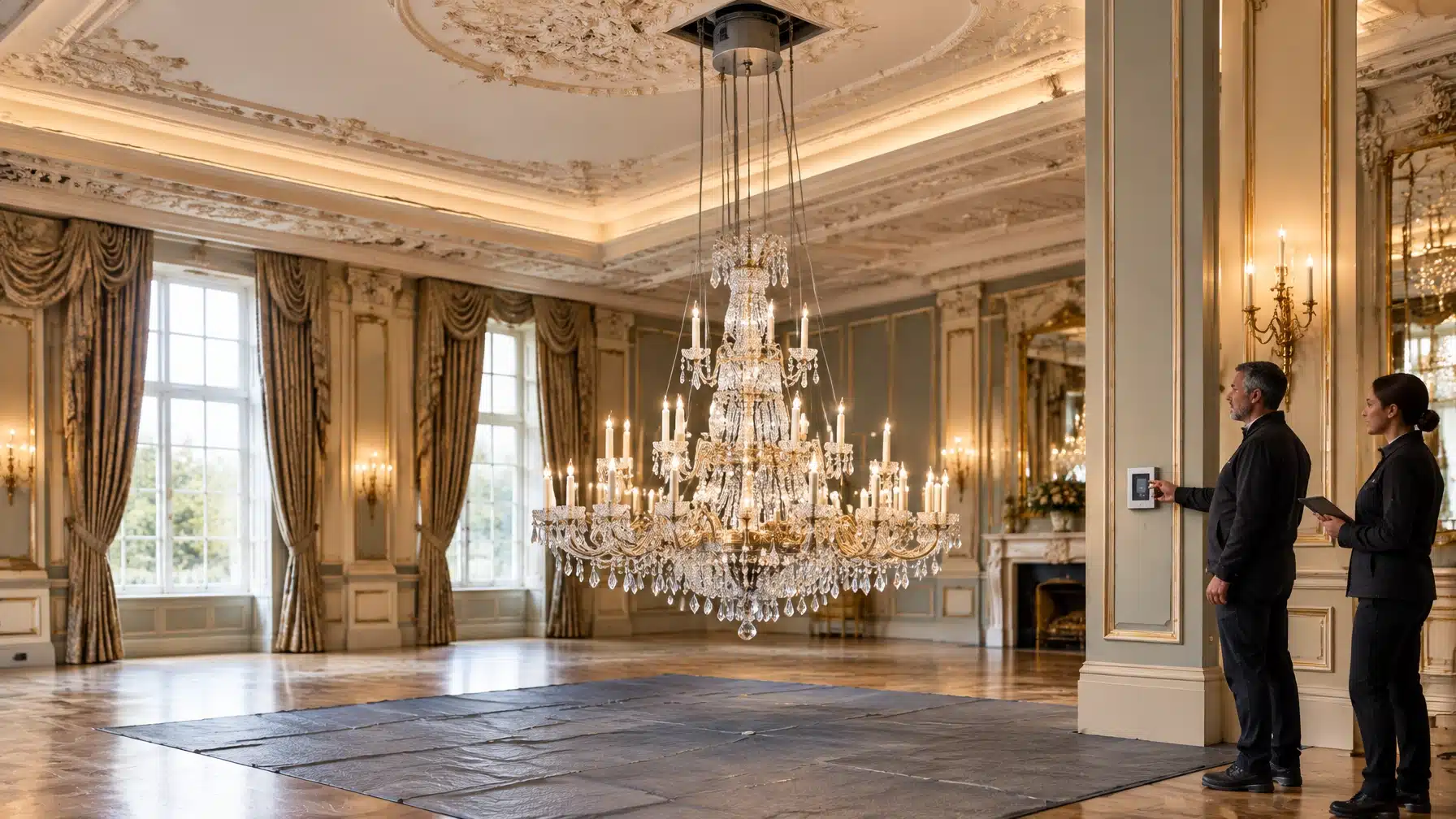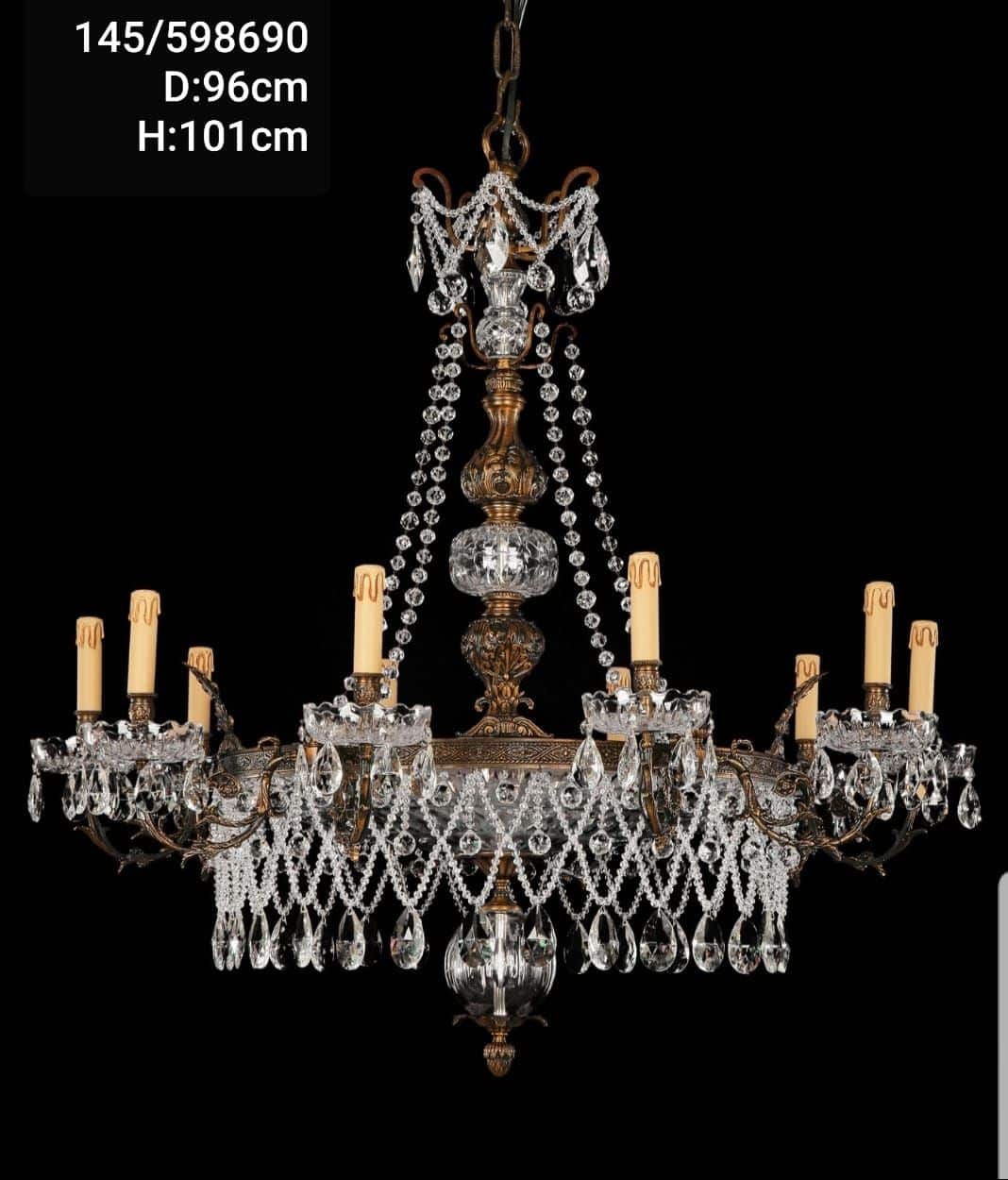
Restoring a heritage chandelier or a vintage wall sconce is a labor of love. There is something truly magical about bringing a piece of history back to life, ensuring it casts that perfect, warm glow over a room once more. However, as many a prudent restorer knows, the "devil is in the detail." When it comes to the finishing touches, nothing is more critical than the candle tubes, also known as candle sleeves or covers.
At Candle Tubes UK, we are the UK's leading manufacturer of bespoke candle tubes. We’ve seen it all, from crumbling 1920s card sleeves to mismatched plastic covers that ruin the silhouette of a lavish French chandelier. If you are embarking on a restoration project, here are 10 essential things you should know to ensure your lighting looks nothing short of spectacular.
1. Why Is Material Choice More Than Just Aesthetic?
When you’re perusing options for your restoration, the material isn't just about looks; it’s about longevity and safety. In the trade, we often categorise tubes into four main families: Card, Metal, Glass, and Nylon.
- Card Tubes: These are the traditional choice for many vintage pieces. They offer a classic look but can be prone to "nasty pinches" (warping or browning) over years of heat exposure.
- Metal Tubes: Usually made from brass or copper, these can be finished in anything from polished chrome to antique bronze. They are incredibly durable and provide a sleek, high-end feel.
- Glass & Quartz: For those seeking a more prestigious or contemporary finish, glass tubes offer a level of translucency that is simply unmatched.
- Nylon Tubes: Our "English Regency" and "French GS" ranges are predominantly crafted from high-grade nylon. This material is a restorer's dream, it’s heat-resistant, doesn't discolour easily, and can be machined to precise specifications.

2. Is There a Difference Between English Regency and French GS Styles?
Absolutely! If you want your restoration to be historically accurate, you must distinguish between these two heavyweights of lighting design.
English Regency candle tubes often feature a more understated, elegant profile. They are designed to complement the refined lines of British heritage fixtures. On the other hand, the French GS (Grand Siècle) style is typically more ornate, often requiring specific diameters to fit the lavishly decorated bobeches (that's the "drip pan" that sits at the base of the candle) found on Continental chandeliers. Using the wrong style can make a bespoke piece look "off-balance" to the trained eye.
3. Why Is Precision More Important Than a "Rough Guestimate"?
One of the most common mistakes DIY enthusiasts make is guessing the diameter. A candle tube that "wobbles" on its lamp holder looks amateurish, while one that is too tight can crack during installation.
At Candle Tubes UK, we’ve solved this with our Specialised Digital Measurement Service. If you have an original part, even if it’s broken, you can send it to us. We use digital calipers and precision engineering to ensure your new bespoke candle sleeves fit perfectly. (Top tip: If you're measuring yourself, always measure the outside diameter of the lamp holder, not the inside of the old tube!)

4. What Bulb Cap Codes Do I Need to Know?
When you’re looking "under the hood" of your fixture, you’ll encounter different lamp holder sizes. In the UK and Europe, the most common for chandeliers are:
- SES (E14): Small Edison Screw.
- SBC (B15): Small Bayonet Cap.
- E10: Often used in very small, decorative "miniature" candles.
Your candle tube must be wide enough to clear the lamp holder but snug enough to look integrated. We manufacture components for all these sizes, ensuring the internal brackets are perfectly positioned.
5. To Drip or Not to Drip: What’s the "Wow" Factor?
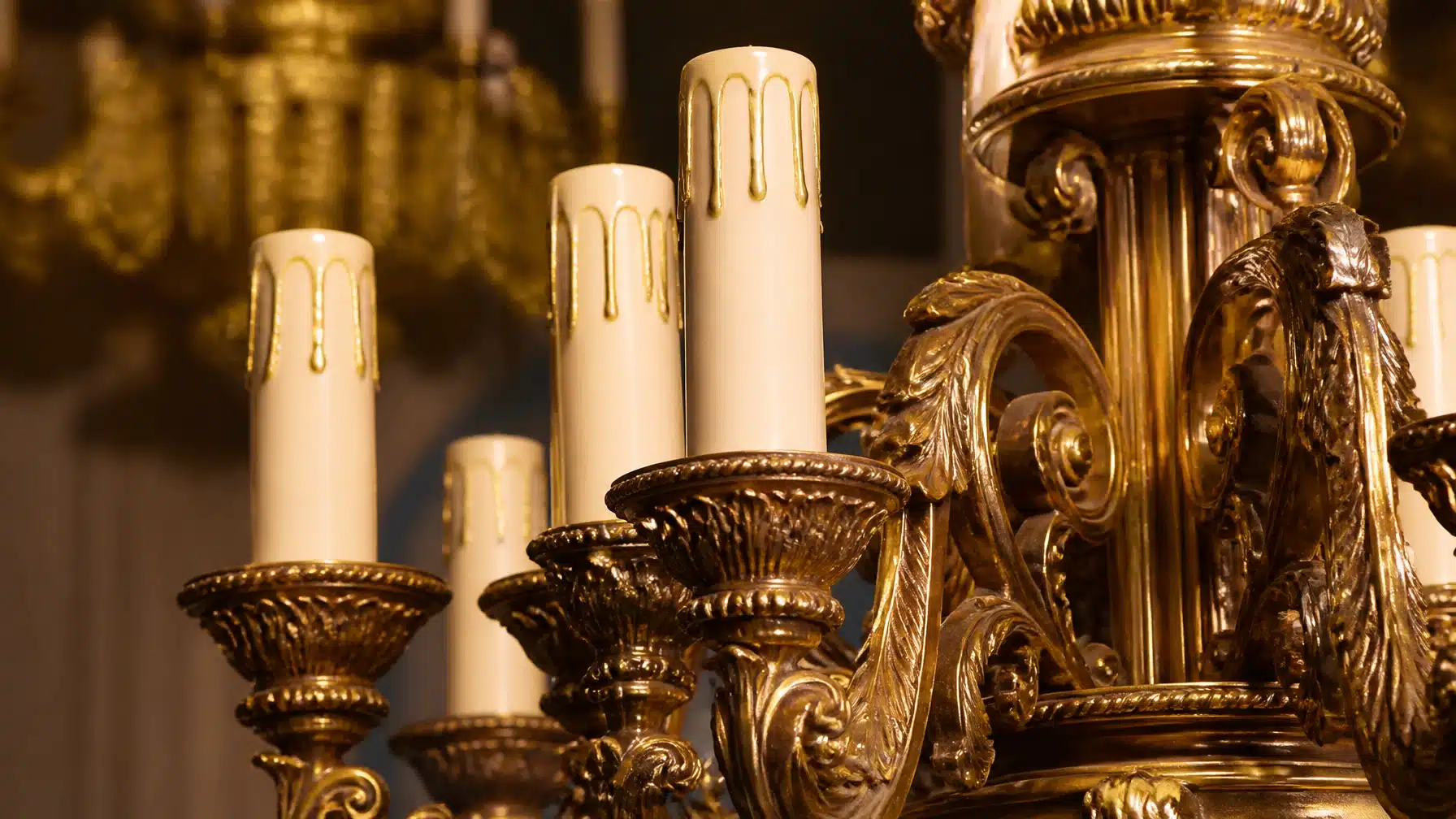
This is a hot topic in the restoration world! Traditional "waxed" tubes feature faux drips running down the side, designed to mimic a real burning candle.
- Plain Tubes: Offer a clean, architectural look that suits modern interiors or minimalist Regency designs.
- Drip Tubes: Provide an authentic, "lived-in" feel for historic homes.
We collaborate with a collective of specialist decorators and artists who can hand-finish your tubes with bespoke drips in gold, bronze, or ivory to match your specific fixture.
6. Can You Automate an Antique Chandelier?
You might think that home automation and 18th-century design don't mix, but you’d be surprised! We offer a Smart WiFi range on certain products. This allows you to maintain the gorgeous, bespoke look of a classic candle tube while benefiting from modern conveniences like dimming via your smartphone or voice control. It’s the perfect way to bring a heritage piece into the 21st century without sacrificing its soul.
7. How Do You Match a Century-Old Patina?
Restoration isn't just about "new." It's about "matching." If you have a brass chandelier with a specific aged patina, a brand-new, shiny gold candle tube will look out of place.
Because we are the manufacturer, we can offer fully bespoke, made-to-order products. We can match the colour and finish of your existing metalwork or even create a custom "distressed" look that blends seamlessly with the original components.

8. What Is the Correct Height for a Candle Tube?
There is a "rule of thumb" here: the candle tube should cover the entirety of the lamp holder and the base of the bulb, but it shouldn't be so tall that it obstructs the light or looks "stretched."
If your ceilings are high (lucky you!), you might opt for slightly taller tubes to maintain the grandeur of the piece. If the chandelier hangs lower, shorter tubes can prevent "glare" at eye-line level. We can cut your tubes to any height, down to the last millimetre.
9. Are New Components Safer Than Old Ones?
Safety is paramount, especially when dealing with older electrical items. Old card tubes can be a fire hazard if they become brittle and come into contact with high-wattage bulbs.
Our nylon and metal tubes are engineered for modern safety standards. (A quick tip: Always check the maximum wattage of your lamp holders. If you're switching to LED bulbs, which we highly recommend for restoration, you’ll find they run much cooler, which is kinder to your bespoke candle sleeves!)

10. Should You DIY or Call in the Experts?
While replacing a single tube is a straightforward task for a DIY enthusiast, a full restoration of a multi-arm chandelier is a significant undertaking.
If you’re unsure, we are always here to help. Whether you are a professional restorer, an interior designer, or a homeowner looking for that one specific part, our expertise as the UK's leading manufacturer means we can guide you through the process. It’s not as complicated as it looks when you have the right components!
Ready to Start Your Restoration?
Whether you are looking for French GS candle sleeves, English Regency nylon covers, or a completely bespoke metal finish, we have the tools and the talent to help. Your lighting deserves the very best, and with a little care and the right parts, you can ensure it remains a focal point of your home for generations to come.
For more information or to use our digital measurement service, please visit our sites: