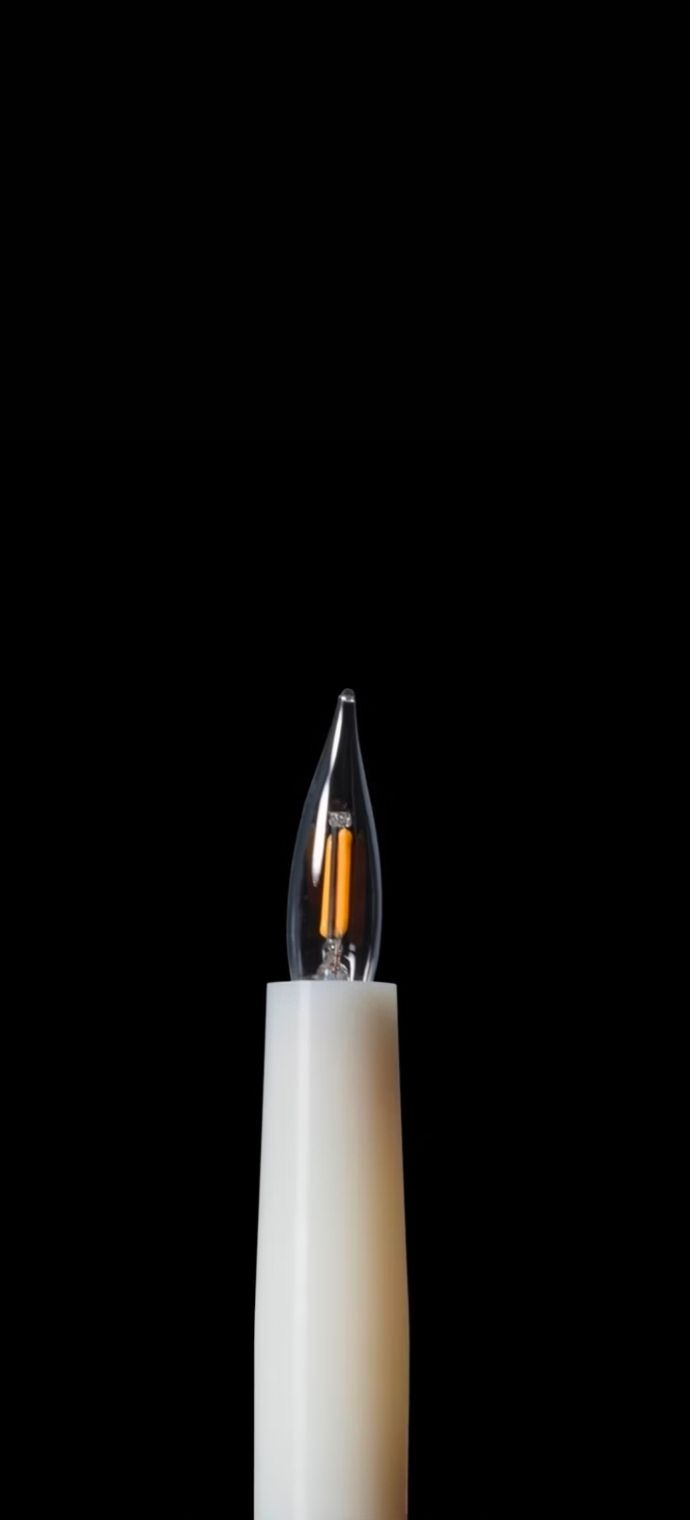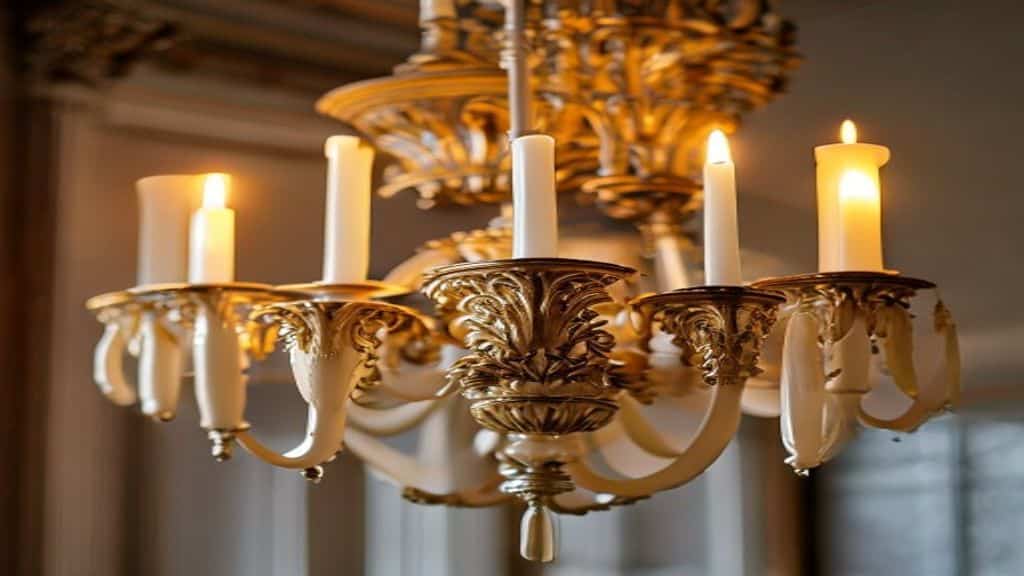
There is something undeniably "lavish" about a continental chandelier. Whether it’s a sprawling multi-tier crystal piece from a Parisian estate or a delicate brass fixture found in a Belgian antique shop, these lights carry a history and a profile that standard lighting often lacks. However, when it comes to restoration, many enthusiasts and even some professional restorers find themselves in a bit of a muddle.
The most common culprit? The E10 French Candle.
If you have ever tried to fit a standard E14 "Small Edison Screw" sleeve onto a slim, continental arm and found it looking clunky or: heaven forbid: wobbling about like a loose tooth, you’ve encountered the scaling issue. Restoring these heritage pieces requires a prudent eye for detail and the correct technical components. At Candle Tubes UK, we specialise in demystifying this process, providing the bespoke parts needed to return these fixtures to their former glory.
What Exactly is an E10 French Candle?
In the world of lighting manufacturing, the "E" stands for Edison Screw, and the number refers to the diameter of the bulb base in millimetres. While the E14 (14mm) is the standard candelabra size across much of Europe and the UK, many traditional continental fixtures: particularly those of French origin: utilise the slimmer E10 (10mm) Miniature Edison Screw.
(Insider knowledge: You might also hear these referred to as "MES" or miniature screw bases. In French lighting circles, the French GS style is the gold standard for these slimline aesthetics.)
Because the socket itself is significantly narrower (only 10mm at the thread), the candle tubes (also known as candle sleeves or covers) must be proportionately slimmer. Using a standard 23mm or 27mm internal diameter sleeve on an E10 socket creates a massive gap that ruins the sleek, elegant lines of the chandelier. It’s not just a matter of "making do"; it’s about preserving the original design intent.

Why Is the French GS Profile So Important?
The French GS range is designed specifically for those who refuse to compromise on authenticity. Unlike bulkier modern sleeves, these are crafted to mimic the narrow, tapered look of real wax candles used in the 18th and 19th centuries. When you are restoring a high-value piece, the "wow" factor often comes from these small details.
- Slimmer Profile: E10 sleeves allow the candle to appear as a natural extension of the chandelier arm.
- Proportional Balance: On fixtures with many arms, bulky sleeves can make the chandelier look "crowded." Slim E10 tubes maintain the airy, delicate structure.
- Authentic Finishes: Whether you require a crisp white, a heritage ivory, or a "waxed drip" effect, the French GS style provides that period-accurate look.
How Do I Measure for a Perfect Fit?
Measurement is the stage where most people feel a bit of "nasty pinch." If you get it wrong, you end up with sleeves that won't slide over the socket or, conversely, sleeves that leave the internal wiring exposed.
Our Rule of Thumb for Diameter:
- Expose the Socket: Ensure the power is off, remove the bulb, and slide off any existing sleeve.
- Measure the Outside Diameter (OD): Use a digital calliper (if you have one) to measure the widest part of the metal socket housing.
- The "Just-Over" Rule: You want an Internal Diameter (ID) for your new candle tube that is roughly 0.5mm to 1mm larger than the socket's OD. This allows the sleeve to slide on easily but sit upright without leaning.
Our Rule of Thumb for Height:
- The Eye-Line Rule: For chandeliers hanging in a dining room, the sleeve should be tall enough to hide the socket entirely, but short enough that the "shoulder" of the bulb (where the glass meets the metal base) sits just a few millimetres above the rim of the sleeve.
- Avoid the Glare: If the sleeve is too short, you might see the unsightly metal of the bulb base, which creates a "cheap" look. If it's too tall, it can obstruct the light and look disproportionate.

Bespoke is Better: Our Digital Measurement Service
We understand that not everyone owns a set of precision callipers or feels confident reading millimetre scales. This is why we pioneered our specialized digital measurement service.
If you are unsure about the sizing for your restoration, you can send us an original part or a detailed photograph with a reference scale. We then use CAD technology to create a bespoke, made-to-order replacement that is guaranteed to fit your E10 socket perfectly. Whether you need a standard height or something completely unique to suit a high ceiling (lucky you!), we can manufacture it to your exact specifications.
Materials Matter: Card, Metal, or Nylon?
Choosing the right material is as much about safety as it is about style.
- Card Candle Tubes: Ideal for that traditional, matte look. Our card tubes now feature a 1.5mm wall thickness for extra durability. They are a cost-effective choice for large chandeliers but should be used with LED bulbs to minimise heat.
- Metal Candle Sleeves: Available in finishes like antique bronze, polished gold, or chrome. These are incredibly "prudent" for high-end restorations as they are fire-resistant and provide a lavish, permanent feel.
- Nylon and Glass: For those seeking the absolute pinnacle of prestige, our nylon range offers a smooth, durable finish that is easy to clean and practically indestructible.

Safety First: A Prudent Approach to Restoration
Restoring a continental chandelier is not as complicated as it looks, but electrical safety is paramount.
- Check the Wiring: While you have the sleeves off, inspect the wires for fraying or brittle insulation. Many older continental fixtures used silk-wrapped wire which can degrade over time.
- Bulb Compatibility: Ensure your new E10 bulbs match the voltage of your home. Most UK and European systems operate on 230V, but some vintage French "night lights" might have been designed for lower voltages via a transformer.
- The Heat Factor: Always ensure there is a small gap between the bulb and the sleeve to allow heat to dissipate. LED bulbs are highly recommended for all restorations to protect your bespoke sleeves from heat discolouration.
Ready to Start Your Restoration?
Don't let a missing or broken sleeve keep your chandelier in the dark. Whether you are a professional interior designer working on a manor house or a DIY enthusiast restoring a family heirloom, we are here to help.
Feel free to peruse our full range of E10 French Candle tubes and components. If you find the measurements a bit daunting, remember that our digital measurement service is just a click away. We take pride in being the UK's leading manufacturer of these specialised components, ensuring that every "bespoke" order we send out meets the highest standards of British manufacturing.
For more information and to view our international options, visit us at: